Call NowBook Now
top of pageSkip to Main Content

Advanced Radiofrequency Ablation in Millburn NJ

Minimally invasive nerve treatment to reduce chronic pain without surgery or medication dependence

Experience sustained relief from persistent back, neck, and joint pain with radiofrequency ablation at Menon Regenerative Institute. Our innovative treatment precisely targets and blocks pain signals at their source, offering months to years of relief when medications and other therapies have failed. Under the expert care of Dr. Aditi Menon and our specialist team, this outpatient procedure helps patients regain function and improve quality of life with minimal downtime.
doctor preparing radiofrequency ablation in millburn nj

Fewer Treatments Needed

Long Lasting Relief

Most Insurance Accepted

Beyond Standard Pain Management

When traditional approaches stop working and pain persists, more targeted and effective solutions become necessary. Discover why radiofrequency ablation might be the breakthrough you've been searching for.

patient suffering from pain

The Cycle of Chronic Pain

Living with unrelenting nerve pain creates a frustrating cycle that impacts every area of life. This persistent pain often continues despite trying numerous treatments, leaving patients searching for more effective solutions.

  • Frustration with temporary pain relief that quickly fades
  • Nerve pain that hasn't responded to standard injections
  • Pain that continuously returns despite multiple treatments
  • Increasingly limited ability to participate in daily activities
various medications

The Medication Dilemma

Managing chronic pain with medications presents patients with a difficult balance between relief and side effects. Over time, medication effectiveness often diminishes while concerns about dependency increase.

  • Needing higher medication doses to achieve the same relief
  • Experiencing side effects that impact quality of life
  • Concerns about long-term medication dependency
  • Pain that breaks through despite medication regimens
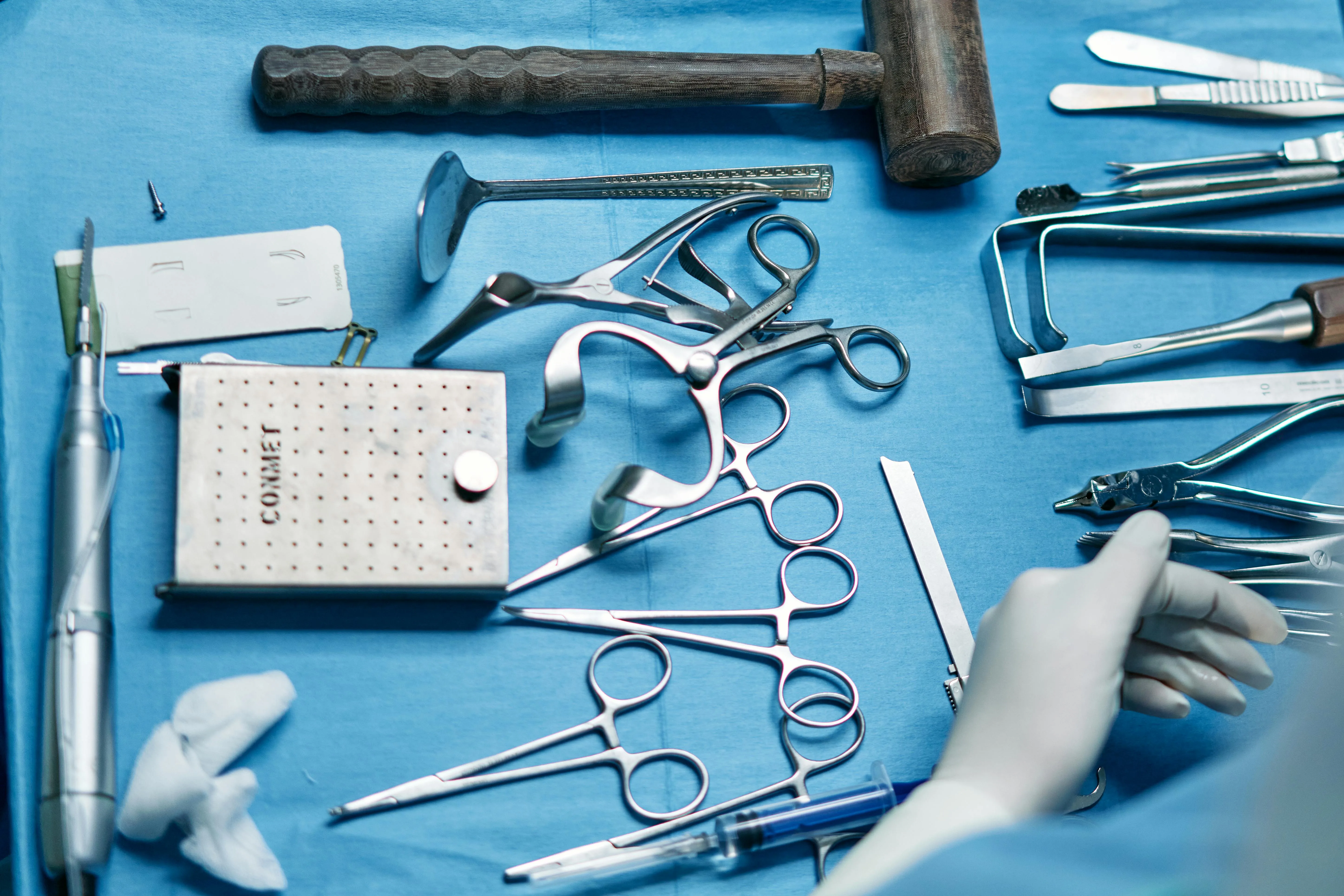
surgical tools

The Surgery Consideration

When conservative treatments fail, many patients face the difficult decision of whether to pursue surgery. This major step comes with significant risks, lengthy recovery, and no guarantee of resolving pain completely.

  • Anxiety about surgical risks and extended recovery time
  • Uncertainty about surgical outcomes and effectiveness
  • Seeking effective non-surgical alternatives
  • Need for a solution that bridges the gap between basic treatments and surgery

Disrupting Pain Signals at Their Source

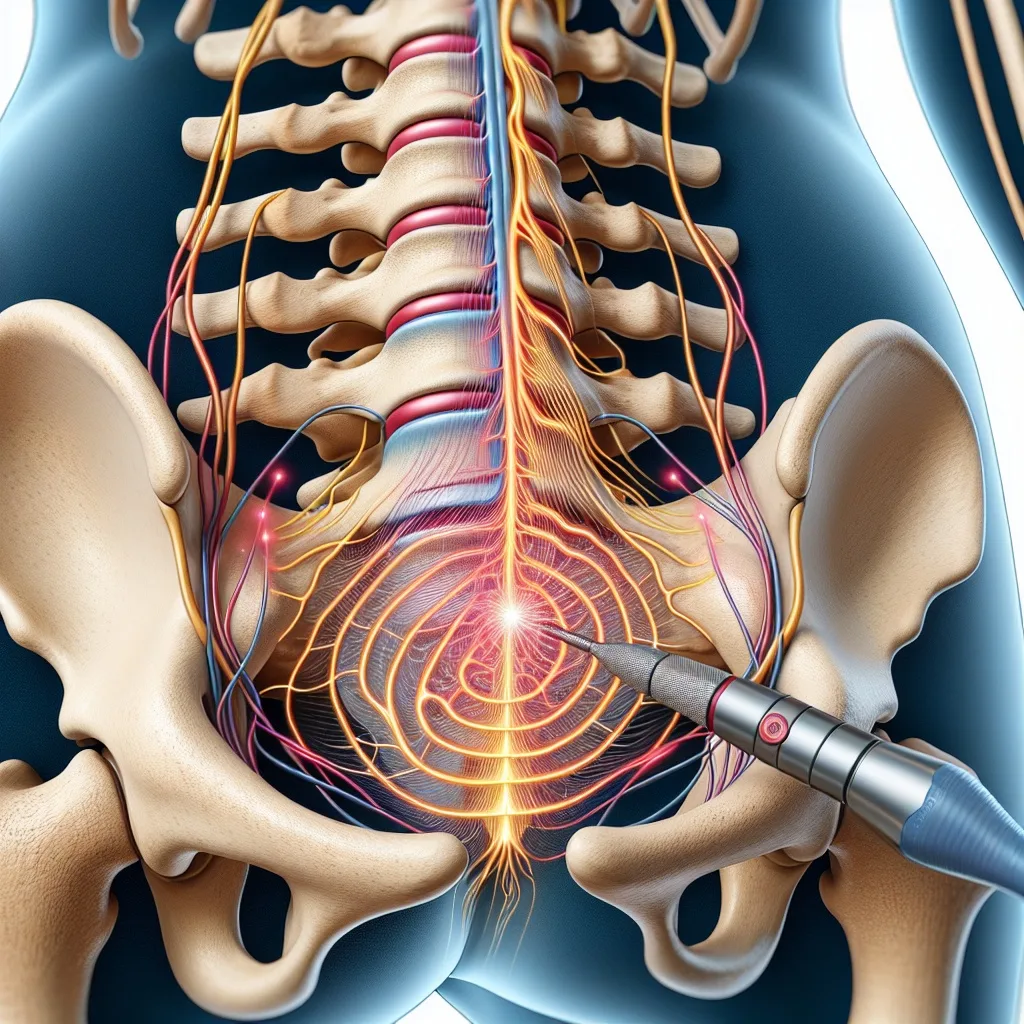
Radiofrequency Ablation (RFA) interrupts the transmission of pain signals by applying controlled heat to specific nerves, providing months to years of relief where other treatments have failed.

xray image of radiofrequency ablation in millburn nj

The Science Behind Radiofrequency Ablation

Radiofrequency ablation works by using heat to disrupt the nerve's ability to transmit pain signals to your brain. A specialized needle is precisely positioned near the problematic nerve, and radio waves create a targeted electrical current that heats only the specific nerve tissue. This controlled thermal lesion prevents pain signals from reaching your brain without damaging surrounding healthy tissues.

Precision Diagnostic Mapping

Dr. Menon uses advanced imaging and diagnostic nerve blocks to precisely identify the exact nerves responsible for your pain, ensuring the RFA treatment targets only the problematic nerve pathways for maximum effectiveness.

Guided Needle Placement

Using real-time fluoroscopic imaging, a specialized insulated needle is carefully positioned adjacent to the target nerve. This precise placement ensures the thermal energy will affect only the problematic nerve while protecting surrounding tissues.

Controlled Thermal Treatment

Once optimal placement is confirmed, a radiofrequency current creates heat at the needle tip (between 80-90°C), generating a precise thermal lesion that disrupts the nerve's ability to transmit pain signals while preserving its structural integrity.

Why Choose Dr. Menon for Radiofreqency Ablations?

  • Board-certified specialist with extensive experience in interventional pain procedures
  • State-of-the-art fluoroscopic imaging for pinpoint needle placement accuracy
  • Customized treatment plans based on your specific pain generators and condition
  • Minimally invasive outpatient procedure with rapid recovery time

Meet the Team

AC8A6981-aEdit-720w.webp

Dr. Aditi Menon, MD

Board Certified in Physical Medicine and Rehabilitation, and specializes in musculoskeletal, pain and sports medicine, and in regenerative medicine.
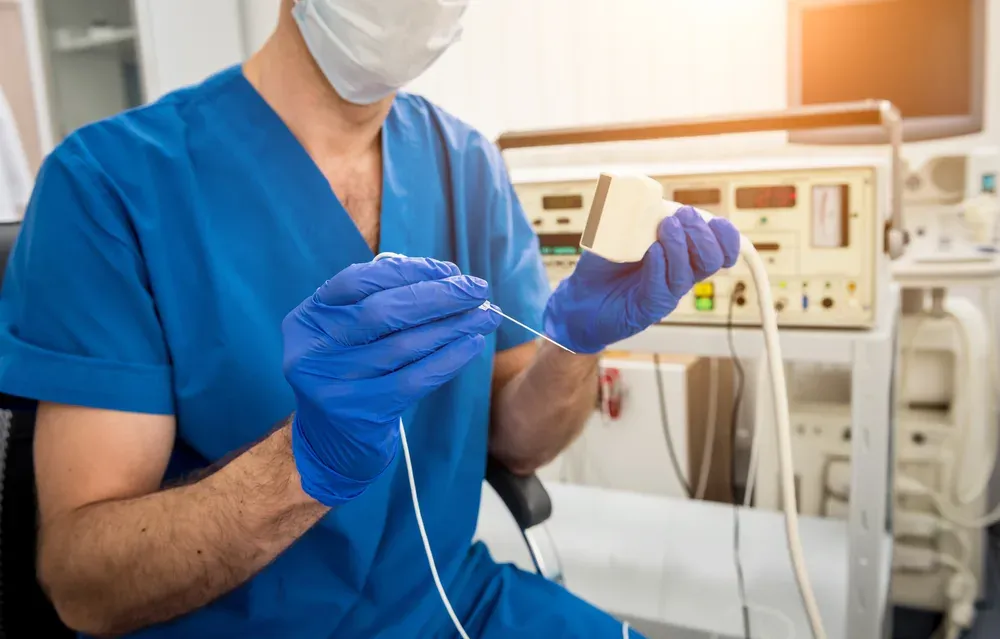
image001-61cf7d91-691h_edited.jpg

Dr. Sujoy Menon, MD

Our board-certified in Interventional Radiology, specializes in arthroscopic guided joint treatments and complex pain management interventions for spinal issues.

Benefits of Radiofrequency Ablations

Long-Lasting Pain Relief

Experience significant pain reduction that lasts for 9-18 months after treatment, helping you return to daily activities with improved comfort and function.

Reduced Medication

Many patients can decrease their reliance on oral pain medications following RFA treatment, reducing potential side effects and long-term dependency concerns.

Targeted Treatment

Precisely directed thermal energy disrupts only the specific nerves causing pain, delivering focused treatment with minimal effect on surrounding healthy tissues.

Improved Mobility

Reduced pain leads to better range of motion and ability to participate in physical therapy, exercise, and daily activities that were previously limited by pain.

Minimal Downtime

Outpatient procedure typically takes less than 60 minutes with most patients resuming normal activities within 24-48 hours, requiring minimal disruption to your schedule.

Surgery Alternative

Effective non-surgical option that may help you avoid more invasive procedures and lengthy recovery periods while still providing significant pain reduction.

What to Expect: The Radiofrequency Ablation Process

Our streamlined process is designed for your comfort and convenience

  1. Initial Consultation

    Dr. Menon will review your medical history, imaging results, and perform a physical examination to determine if radiofrequency ablation is appropriate for your condition. Diagnostic nerve blocks may be performed first to precisely identify the nerves causing your pain.

  2. Pre-Procedure Preparation

    You'll receive specific instructions regarding medications and fasting. Most blood thinners need to be discontinued 5-7 days prior to the procedure (with your doctor's approval). The procedure is performed on an outpatient basis, so you'll need to arrange for someone to drive you home afterward.

  3. The Procedure (30 Minutes)

    You'll lie on a special table while fluoroscopic imaging guides the precise placement of the RFA needle. Local anesthesia and light sedation ensure your comfort. A test stimulation confirms proper positioning before the radiofrequency current is applied to the target nerve for 90-120 seconds. Most patients experience minimal discomfort during the procedure.

  4. Brief Recovery Period

    After the procedure, you'll rest briefly (30-60 minutes) in our recovery area while our team monitors your response. You may experience some soreness at the treatment site, which typically resolves within a few days. Most patients can return home the same day with minimal restrictions.

  5. Follow-Up Care

    Dr. Menon will evaluate your response to the RFA treatment after 2-4 weeks. While some patients experience immediate pain relief, the full benefits may take 1-3 weeks to develop as nerve inflammation subsides. The effects typically last 9-18 months, and the procedure can be repeated when needed.

Frequently asked questions

How long do the pain relief effects last after radiofrequency ablation?
The pain relief from radiofrequency ablation typically lasts between 9-18 months, though some patients experience benefits for up to 2 years. The duration varies based on individual factors including the specific condition being treated, the location of treatment, and how quickly your nerves regenerate. When the pain eventually returns as nerves regrow, the procedure can be safely repeated to provide continued relief.
Does radiofrequency ablation cause pain?
Most patients feel minimal discomfort. The area is numbed with local anesthetic, and light sedation is offered. You may feel pressure during needle placement and a brief warming sensation during ablation. Temporary soreness at the injection site can be managed with ice and over-the-counter pain relievers.
How soon will I feel relief after the procedure?
The timeline for pain relief varies among patients. Some experience immediate improvement, while for others, the full benefits develop gradually over 1-3 weeks as nerve inflammation subsides. Occasionally, patients report increased soreness for the first few days after the procedure before experiencing the pain relief. This is normal and typically resolves on its own. Maximum benefit is usually achieved within 2-4 weeks after the procedure.
What conditions can be treated with radiofrequency ablation?
Radiofrequency ablation is most commonly used to treat chronic pain conditions involving the spine, including facet joint pain in the neck (cervical) or lower back (lumbar), sacroiliac joint pain, and certain types of nerve pain. It can also be effective for knee pain related to arthritis, occipital neuralgia (nerve pain in the back of the head), and some types of peripheral nerve pain. Dr. Menon will evaluate your specific condition to determine if RFA is an appropriate treatment option for your particular pain generator.
Are there any restrictions following the procedure?
You'll need to have someone drive you home after the procedure due to the sedation. For the first 24 hours, we recommend avoiding strenuous activities, heavy lifting (over 10 pounds), and prolonged sitting or driving. Most patients can return to light activity the day after the procedure and gradually resume normal activities over the next few days. Dr. Menon will provide personalized post-procedure instructions based on your specific treatment and condition.
Does insurance cover radiofrequency ablation?
Most major insurance plans, including Medicare, cover radiofrequency ablation when it's deemed medically necessary. Coverage typically requires documentation of your pain condition and evidence that other conservative treatments have been tried without adequate relief. Additionally, many insurance plans require a successful diagnostic nerve block before approving RFA treatment. Our office staff will work with your insurance provider to verify your benefits and explain any out-of-pocket costs before your procedure.

Have additional questions about Radiofrequency Ablation ?

Contact Us For More Information

Take the First Step Toward Pain-Free Living Today

Don't let pain control your life any longer. Dr. Menon's advanced radiofrequency ablation techniques have helped hundreds of patients return to their active lifestyles. Schedule your consultation to discover how this targeted treatment can address your specific condition.

Board-Certified Pain Management Specialist

Same-Week Appointments Available

Most Insurance Plans Accepted

Located at 45 Essex St, Suite 202, Millburn, NJ, 07041

(973) 382-5002

Consultations are required to determine if radiofrequency ablation is appropriate for your specific condition

bottom of page