Call NowBook Now
top of pageSkip to Main Content
Platelet-rich plasma (PRP) injection at Menon Regenerative Institute

PRP Therapy · Millburn, NJ

Tap into your body's own healing

Platelet-rich plasma (PRP) therapy concentrates the healing platelets in your own blood and delivers them where they are needed, supporting recovery in joints, tendons, and soft tissue. Dr. Menon offers PRP as part of a personalized, non-surgical plan for appropriate candidates.

5.0 · 49 Google reviews

Honest Candidacy Assessment

Made From Your Own Blood

Non-Surgical & Outpatient

What It May Help

When PRP therapy is worth considering

For the right candidates, a PRP injection can be an option for knee and joint pain and chronic soft-tissue injuries. These are the situations we most often evaluate.

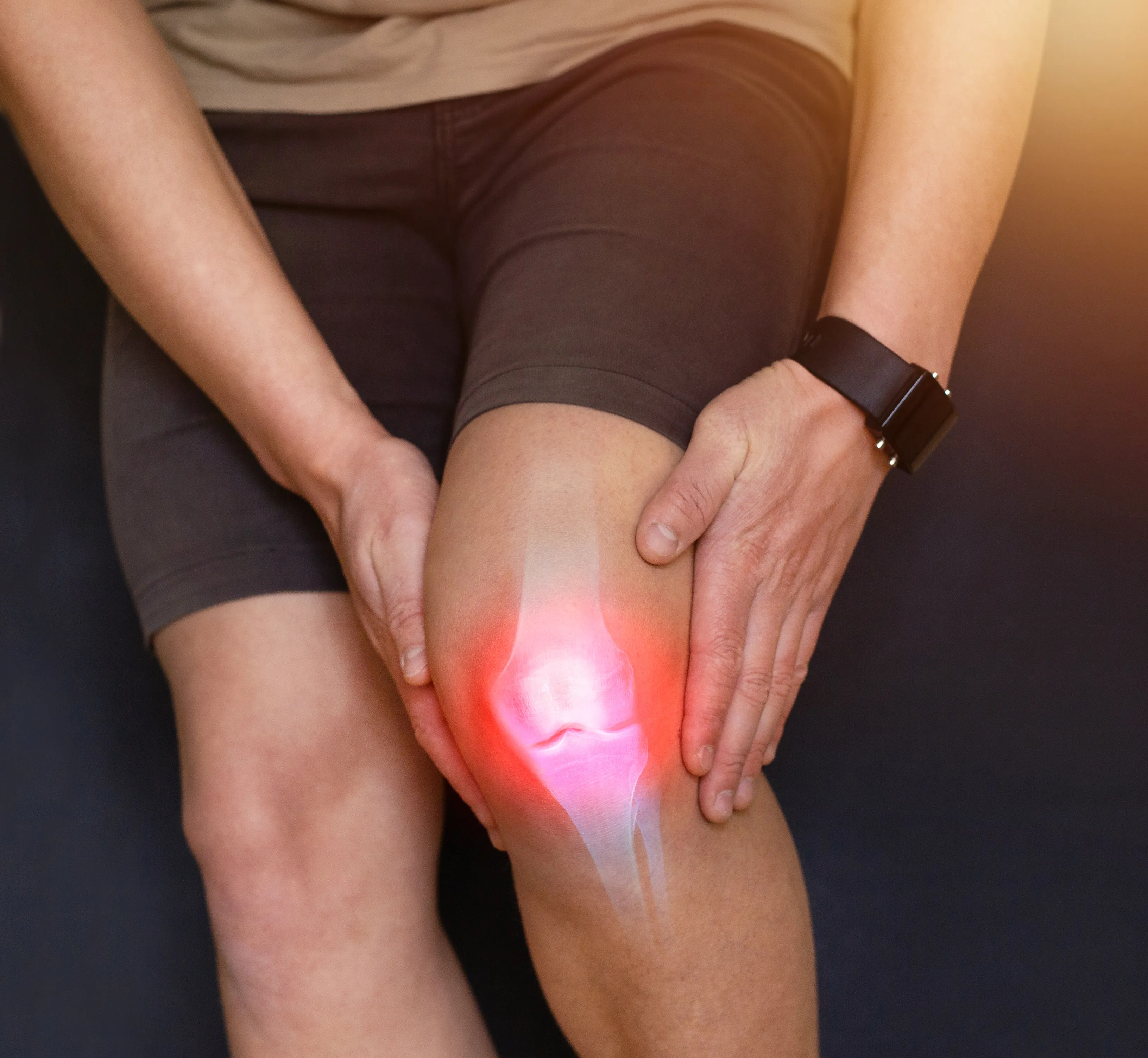
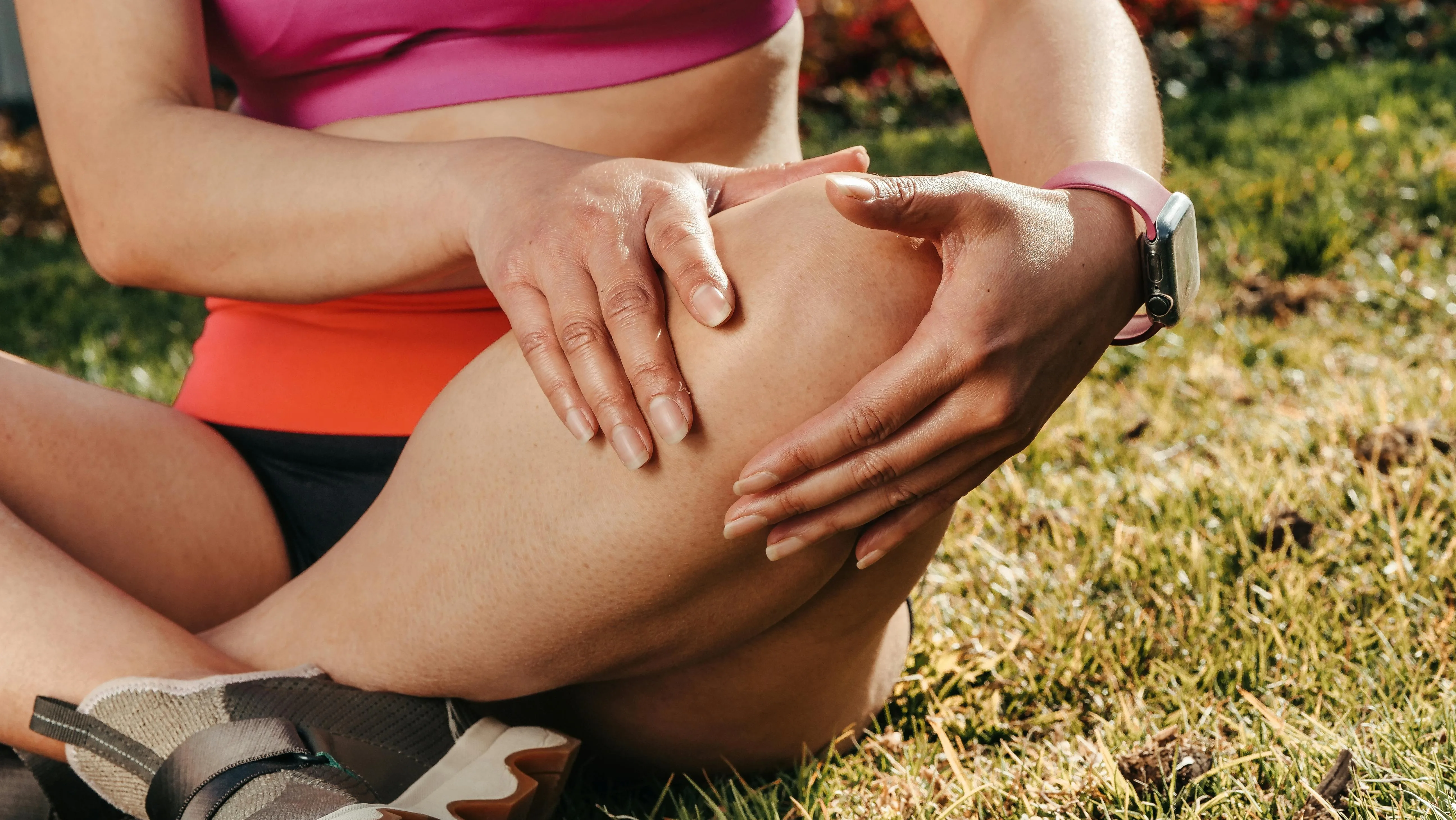
Knee joint affected by osteoarthritis

Knee & Joint Osteoarthritis

Mild to moderate osteoarthritis of the knee and other joints, where cartilage wear and inflammation cause pain, stiffness, and reduced function. A PRP injection may be considered as part of a broader plan for appropriate candidates.

  • Joint pain that worsens with activity
  • Morning stiffness and reduced range of motion
  • Aching or swelling after use
  • Wanting to explore options before surgery
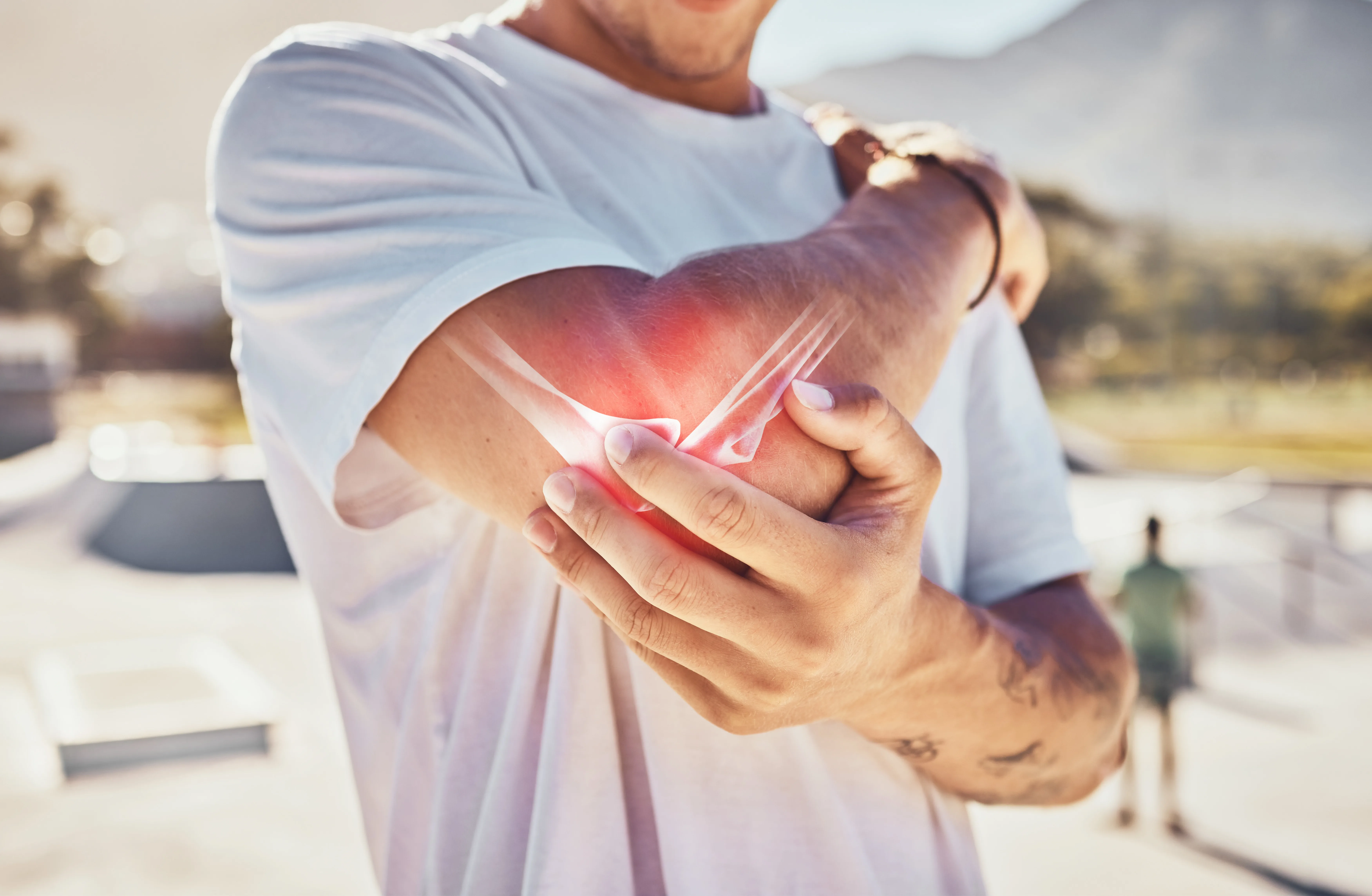
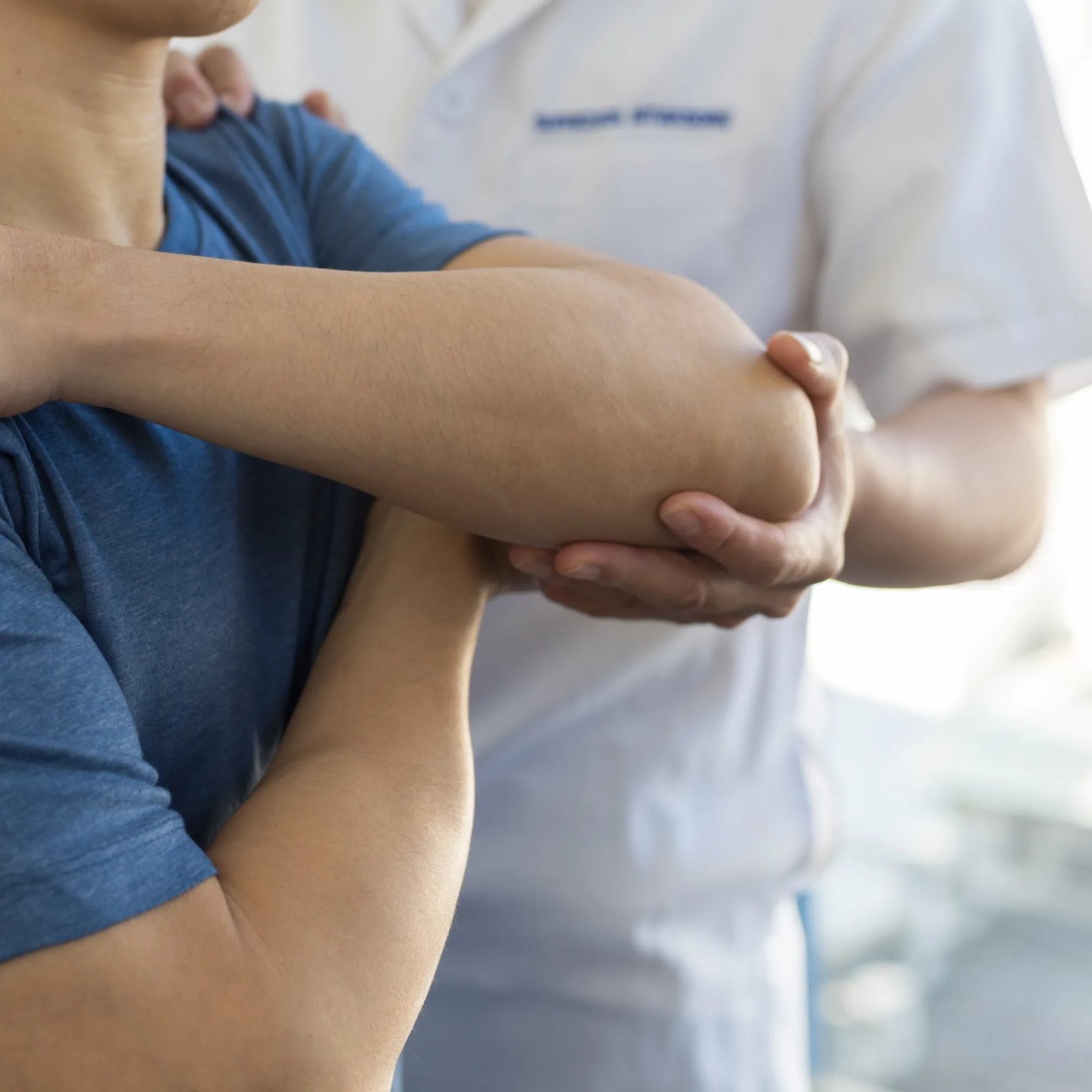
Tendon and soft-tissue injury of the elbow

Tendon & Ligament Injuries

Chronic or slow-healing tendon and ligament problems such as tennis elbow, and other overuse injuries that have not responded well to rest, therapy, or medication. PRP therapy for tendons is one option we may discuss.

  • Persistent pain around a tendon or joint
  • Pain with gripping, lifting, or repetitive motion
  • An injury that keeps lingering
  • Limited results from conservative care
Chronic soft-tissue and joint pain

Chronic Soft-Tissue & Overuse Pain

Ongoing soft-tissue and overuse pain where you would like a non-surgical option that works with your body. A consultation determines whether PRP therapy is a reasonable next step for you.

  • Pain that has lasted weeks or months
  • Discomfort that limits daily activity or sport
  • A preference for non-surgical care
  • Interest in options that support natural healing

How It Works

How PRP therapy supports healing

Platelet-rich plasma (PRP) concentrates the healing signals already in your blood and delivers them where they are needed. Here is what that looks like in practice.

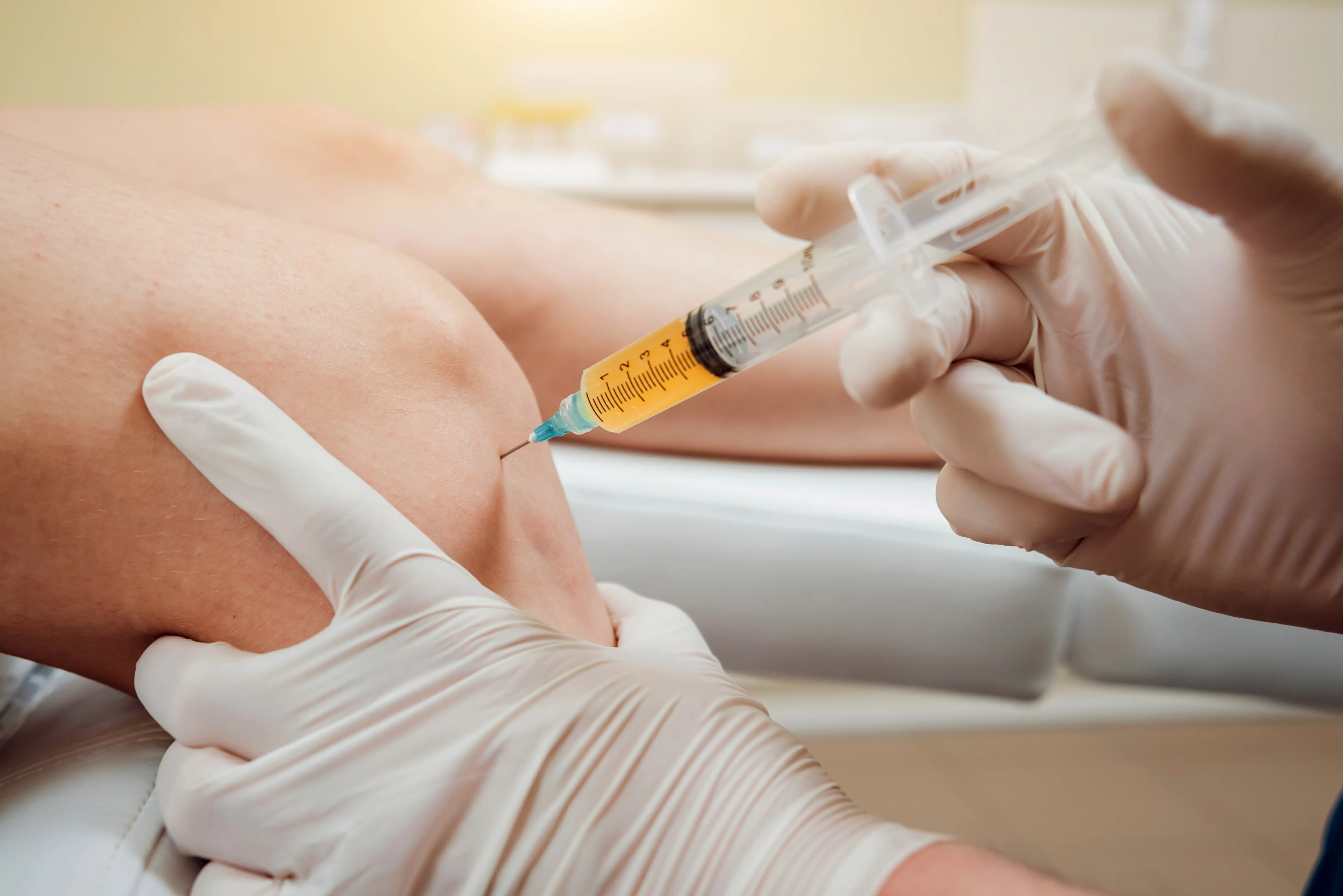
Image-guided PRP injection into the knee joint
  1. Made From Your Own Blood

    PRP is prepared entirely from a small sample of your own blood. Because there is no donor material involved, there is no risk of rejection, and the approach works with your own biology.

  2. Concentrated In A Centrifuge

    Your blood sample is spun in a centrifuge to concentrate the platelets into platelet-rich plasma. This is what makes a PRP injection different from an ordinary blood draw.

  3. Growth Factors That Signal Repair

    Concentrated platelets release growth factors, the signals your body already uses to begin repair. The goal is to support your natural healing response in the treated area, not to replace it.

  4. Precise, Image-Guided Delivery

    When appropriate, the PRP injection is placed with image guidance so the platelet-rich plasma reaches the intended tissue. Every plan is individualized, and candidacy is determined by your evaluation.

Wondering whether PRP therapy is right for you? Book a free 10-minute consultation with Dr. Menon for an honest, no-pressure answer.

Why Menon

Why patients choose Dr. Menon for PRP therapy

Straightforward guidance from board-certified physicians who will tell you honestly whether PRP is the right option for you.

  • Board-certified physicians who set honest, realistic expectations
  • Image-guided precision for accurate placement
  • A careful candidacy assessment, not a one-size-fits-all pitch
  • PRP offered within a complete pain-management plan

Your Visit

What to expect with PRP therapy

A straightforward, in-office process designed for your comfort.

  1. Consultation & Candidacy

    Dr. Menon reviews your history, imaging, and goals, and gives you an honest assessment of whether PRP is a reasonable option for your specific condition.

  2. Blood Draw

    A small sample of your own blood is drawn in the office, much like a routine blood test. There is no donor material involved.

  3. Centrifuge Preparation

    The sample is processed in a centrifuge to concentrate the platelets and growth factors into the platelet-rich plasma used for your injection.

  4. Image-Guided Injection

    The prepared PRP is placed into the treated joint or soft tissue, using image guidance where appropriate for accuracy. Most patients tolerate the procedure well.

  5. Recovery & Follow-Up

    You return to normal activity per Dr. Menon's guidance. Because healing is gradual, results develop over time and vary from person to person; follow-up visits track your response.

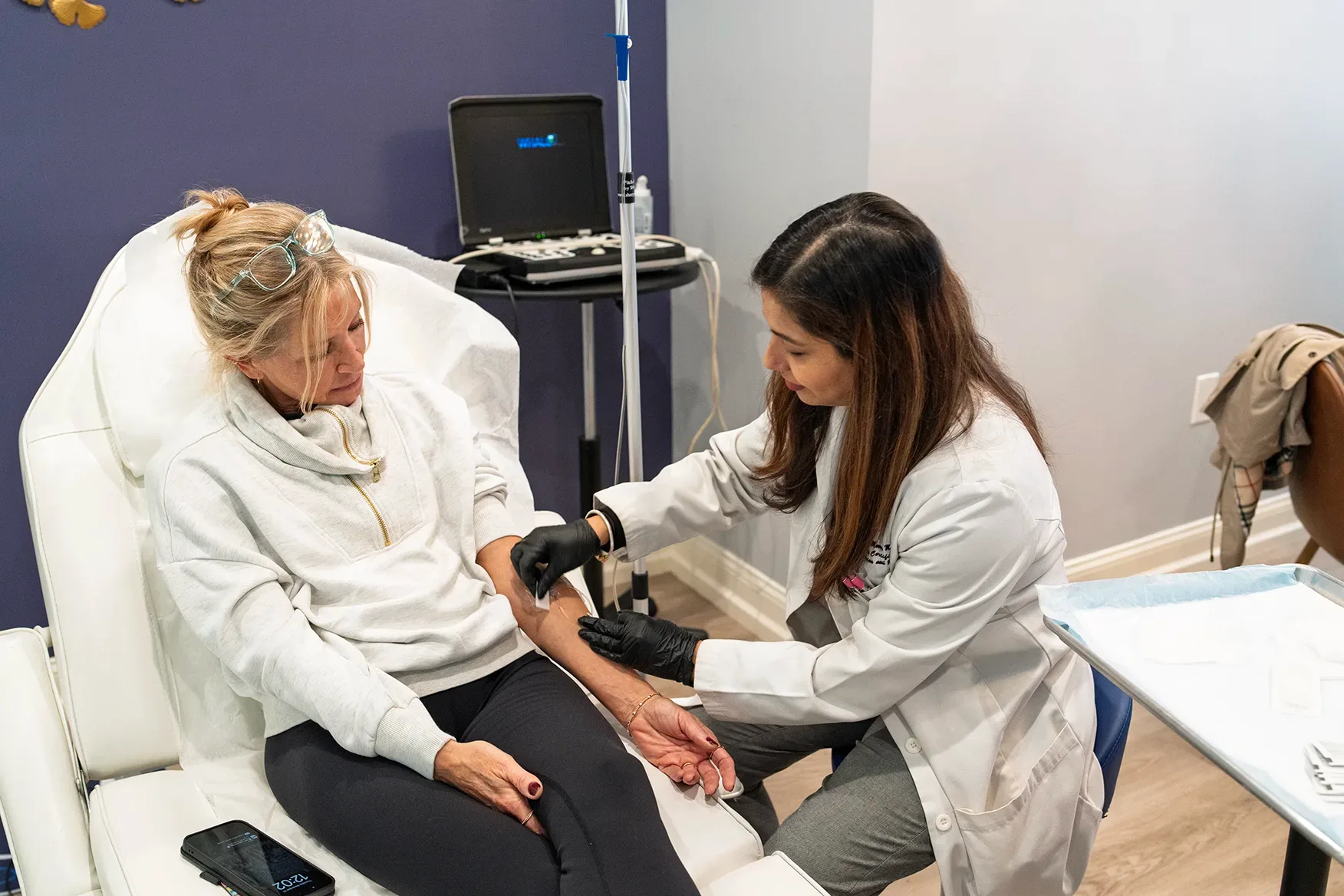
Dr. Menon consulting with a patient at the Millburn office

Benefits

Why patients consider PRP therapy

Works With Your Biology

PRP uses concentrated platelets from your own blood to support your natural healing response.

Minimally Invasive

An in-office injection procedure, with no surgical incision and no hospital stay.

Outpatient & Quick

Most visits are completed in about an hour, and you go home the same day.

May Reduce Medication Reliance

For some patients, supporting natural repair can be part of reducing reliance on pain medication.

A Non-Surgical Option

For appropriate candidates, an option to consider before moving toward more invasive procedures.

Personalized to You

Recommended only when it fits your diagnosis and goals, as part of a complete plan.

Meet Your Physicians

Meet the team

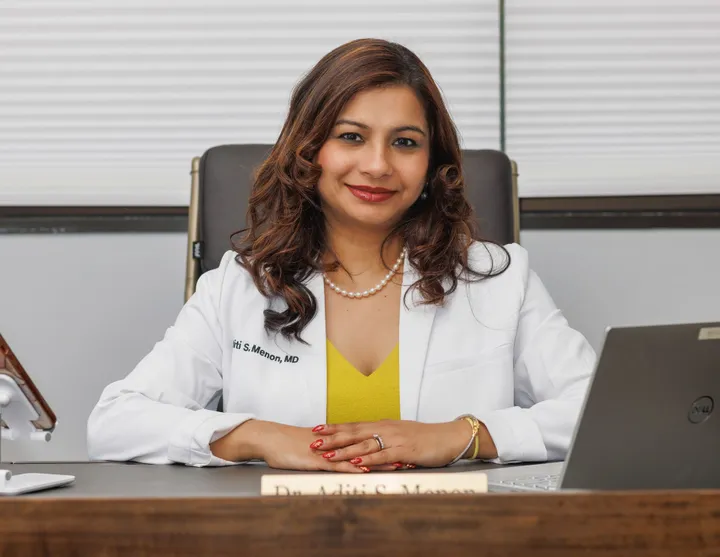
Dr. Aditi Menon, MD

Dr. Aditi Menon, MD

Board Certified · Physical Medicine & Rehabilitation

Board Certified in Physical Medicine and Rehabilitation, and specializes in musculoskeletal, pain and sports medicine, and regenerative medicine.

Dr. Sujoy Menon, MD

Dr. Sujoy Menon, MD

Board Certified · Interventional Radiology

Board certified in Interventional Radiology, specializes in image-guided joint treatments and complex pain management interventions for spinal issues.

What Our Patients Say

I had several knee injections to help with inflammation and arthritis. Dr. Menon was so gentle and thorough, and made sure I understood every step. No pain, just gain.

Arlene S.

★★★★★

Related Treatments

Other ways we relieve joint pain

PRP therapy is one option among several. For many patients it works alongside:

Frequently Asked Questions About PRP Therapy

What is PRP (platelet-rich plasma) therapy?

PRP therapy uses a small sample of your own blood. The blood is spun in a centrifuge to concentrate the platelets, which are rich in the growth factors your body uses to begin healing. The concentrated platelet-rich plasma is then injected into the treated joint or soft tissue to support your natural repair process.

Because PRP is made from your own blood, there is no donor material and no risk of rejection. It is one of the more established regenerative options and is commonly used for joint and tendon conditions.

Am I a candidate for PRP therapy?

PRP is not right for everyone. Good candidates often have mild to moderate joint arthritis, or a chronic tendon or soft-tissue injury that has not responded well to conservative care, and want a non-surgical option. Certain conditions and health factors may make it less appropriate.

The only way to know is a consultation. Dr. Menon will review your diagnosis, imaging, and goals and give you an honest recommendation, which may or may not include a PRP injection.

What results can I expect from PRP, and how long does it take?

Results vary from person to person, and improvement is gradual because PRP works by supporting your body's own healing over time rather than providing instant relief. Some patients notice changes over several weeks to a few months.

Not everyone responds the same way, and some conditions respond better than others. Dr. Menon will set realistic expectations for your specific situation and track your progress at follow-up visits.

Does the PRP procedure hurt?

Most patients tolerate the PRP injection well. The blood draw feels like a routine lab test, and a local anesthetic is used at the injection site. You may feel some pressure during the injection and mild soreness afterward, which typically settles within a few days.

Does insurance cover PRP therapy?

PRP therapy is generally considered elective and is not covered by most insurance plans, so it is usually an out-of-pocket cost. We believe in being upfront about this. During your consultation we will explain the cost clearly and discuss your options, so there are no surprises. For treatments that are typically covered, our team can verify your insurance benefits.

Find out if PRP therapy is right for you

The best first step is an honest consultation. Dr. Menon will review your condition and tell you plainly whether a PRP injection makes sense for your goals.

Same-Week Appointments · Honest, No-Pressure Guidance

45 Essex St, Suite 202, Millburn, NJ 07041 · (973) 382-5002

bottom of page