

top of pageSkip to Main Content
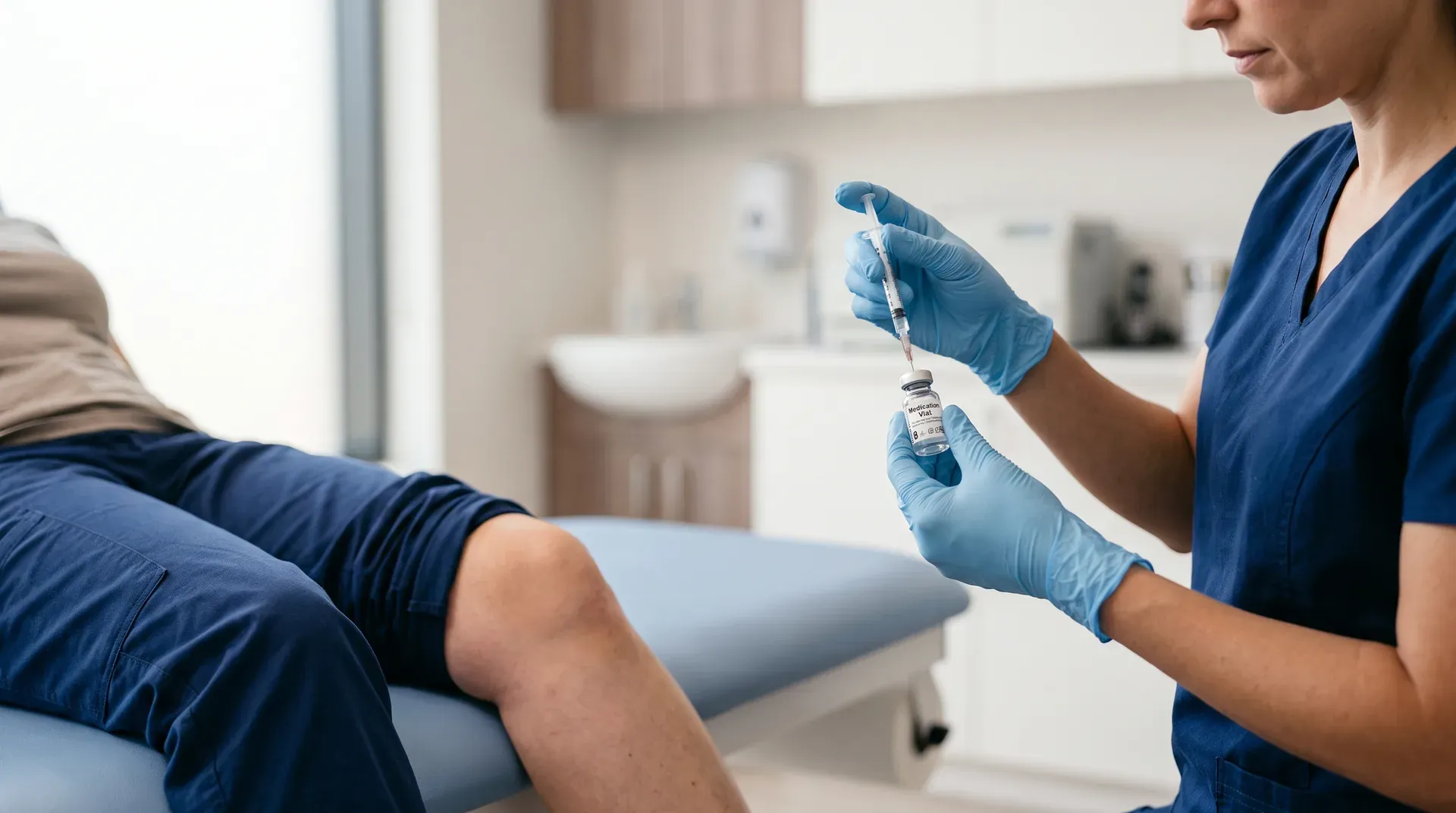
Physician preparing an image-guided corticosteroid injection

Corticosteroid injections in Millburn, NJ.

Calm the inflammation and move freely again.

Targeted relief for inflamed joints, tendons, and nerves. Also known as a cortisone or steroid injection, our board-certified pain specialists use precise, image-guided techniques to calm inflammation, reduce pain, and help you move comfortably again.

Rated 5.0 out of 5 on Google

Dr. Aditi Menon, MDPhysical Medicine & Rehabilitation
Dr. Sujoy Menon, MDInterventional Radiology
Check your coverage first

When inflammation and pain limit your life.

Chronic joint and tendon inflammation usually has a specific source. A corticosteroid injection, also known as a cortisone injection or steroid injection, calms that inflammation right where it starts, whether that is knee pain, shoulder pain, hip pain, or back pain.

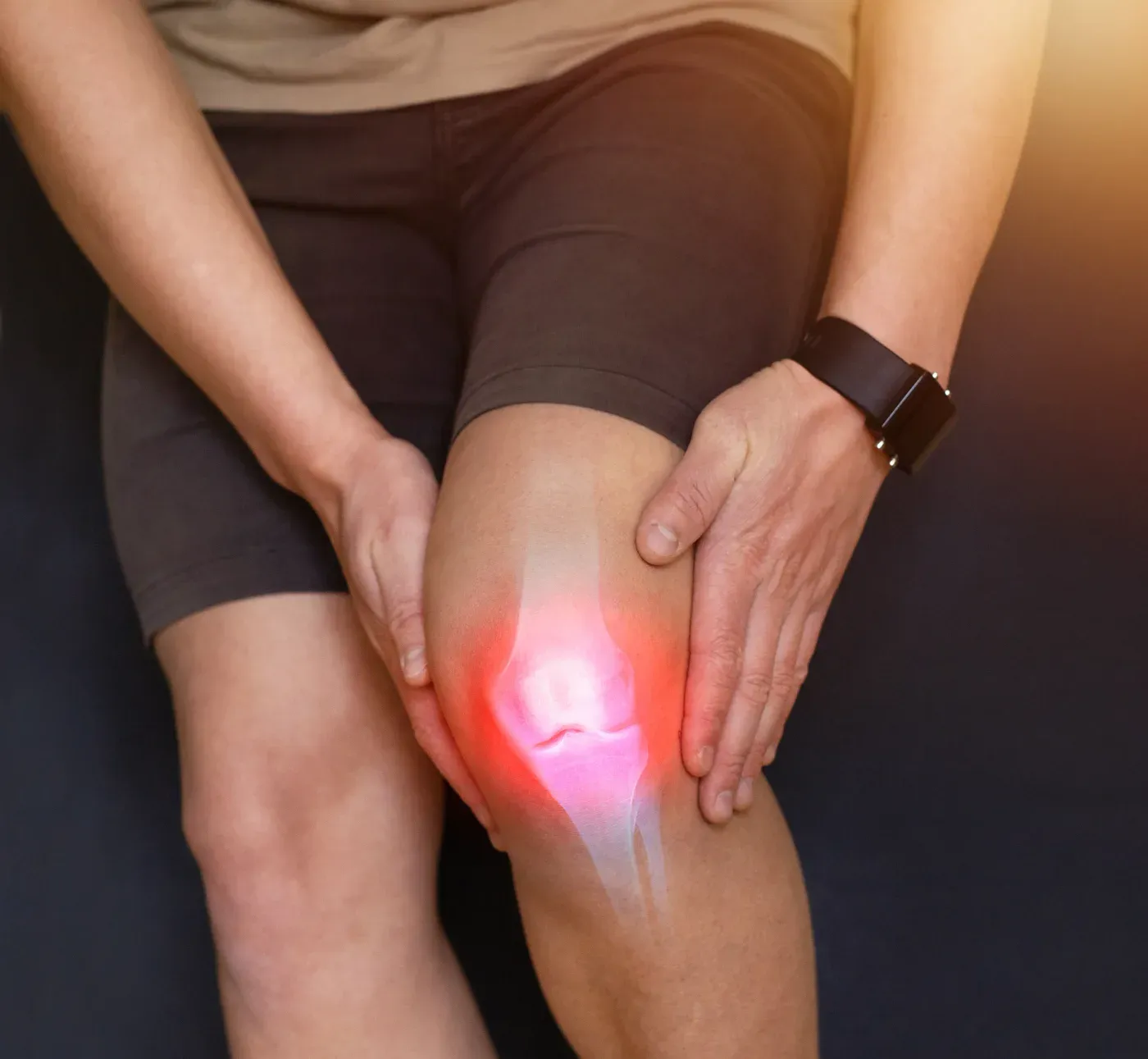
  • Patient with knee pain from arthritis

    Relief for Arthritis Pain

    When arthritis flares up, inflammation inside the joint can cause persistent pain, stiffness, and reduced range of motion. A cortisone injection in the knee, hip, or another affected joint delivers powerful anti-inflammatory medication directly to the joint for lasting relief.

    • Joint pain that worsens with movement or activity
    • Morning stiffness lasting more than 30 minutes
    • Swelling or warmth around the joint
    • Difficulty performing everyday tasks due to pain
    • Flare-ups that do not respond well to oral medication
  • Patient with wrist and hand tendon pain

    Recovery From Tendon and Bursa Irritation

    Tendonitis and bursitis occur when tendons or fluid-filled sacs (bursae) become irritated from injury, overuse, or repetitive movements. A steroid injection, such as a cortisone injection in the shoulder, targets these small, inflamed areas to reduce pain and promote healing.

    • Shooting, burning, or electric shock sensations
    • Numbness and tingling in hands or feet
    • Pain that radiates along nerve pathways
    • Sensitivity to touch or temperature changes
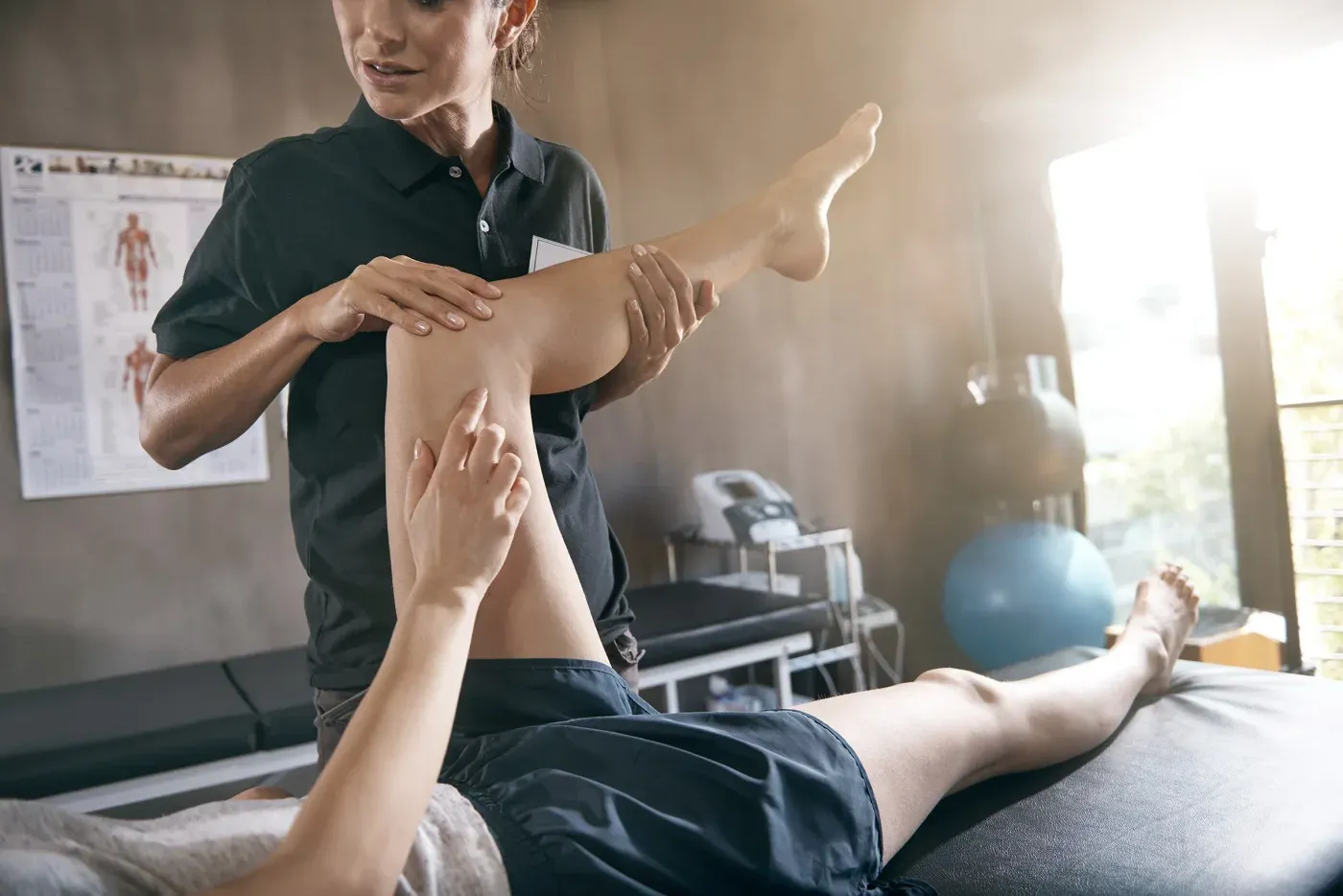
  • Patient recovering from a leg injury

    Managing Post-Surgical and Injury Pain

    Following a workplace injury, accident, or surgical procedure, lingering inflammation can slow your recovery and make rehabilitation painful. A targeted corticosteroid injection can calm that inflammation so you can move more comfortably and get more out of physical therapy.

    • Recovery from orthopedic or joint surgery
    • Lingering swelling after an acute injury
    • Pain preventing you from fully participating in physical therapy
    • Inflammation that delays wound healing or mobility gains
    • Short-term flare-up management while continuing rehab

How corticosteroid injections provide relief.

Corticosteroid injections, also known as cortisone injections or steroid injections, work by delivering a concentrated anti-inflammatory medication directly to the source of pain, whether that is a cortisone injection in the knee, shoulder, hip, or back. This reduces swelling, calms irritated tissues, and helps restore movement.

Image-guided corticosteroid injection at Menon Regenerative Institute
  1. Precision-Guided Pain Relief

    A corticosteroid injection delivers anti-inflammatory medication directly to the source of pain, within an inflamed joint, tendon, bursa, or around an irritated nerve root. Using ultrasound or fluoroscopic guidance when indicated, we place the medication precisely where it is needed to reduce swelling, calm nerve irritation, and restore movement with minimal systemic side effects and little to no downtime.

  2. Pinpointing the Source of Inflammation

    Your doctor performs a detailed examination and reviews your medical history to confirm the exact area causing pain. Imaging such as ultrasound may be used to ensure an accurate diagnosis.

  3. Guided, Targeted Delivery

    When appropriate, ultrasound guidance is used to precisely place the corticosteroid into the inflamed joint, tendon, or bursa. Guidance helps place the medication accurately and keeps discomfort low.

  4. Rapid, Lasting Relief

    Most patients begin to feel improvement within 24 to 48 hours, with benefits lasting from several weeks to several months depending on the condition treated and activity level.

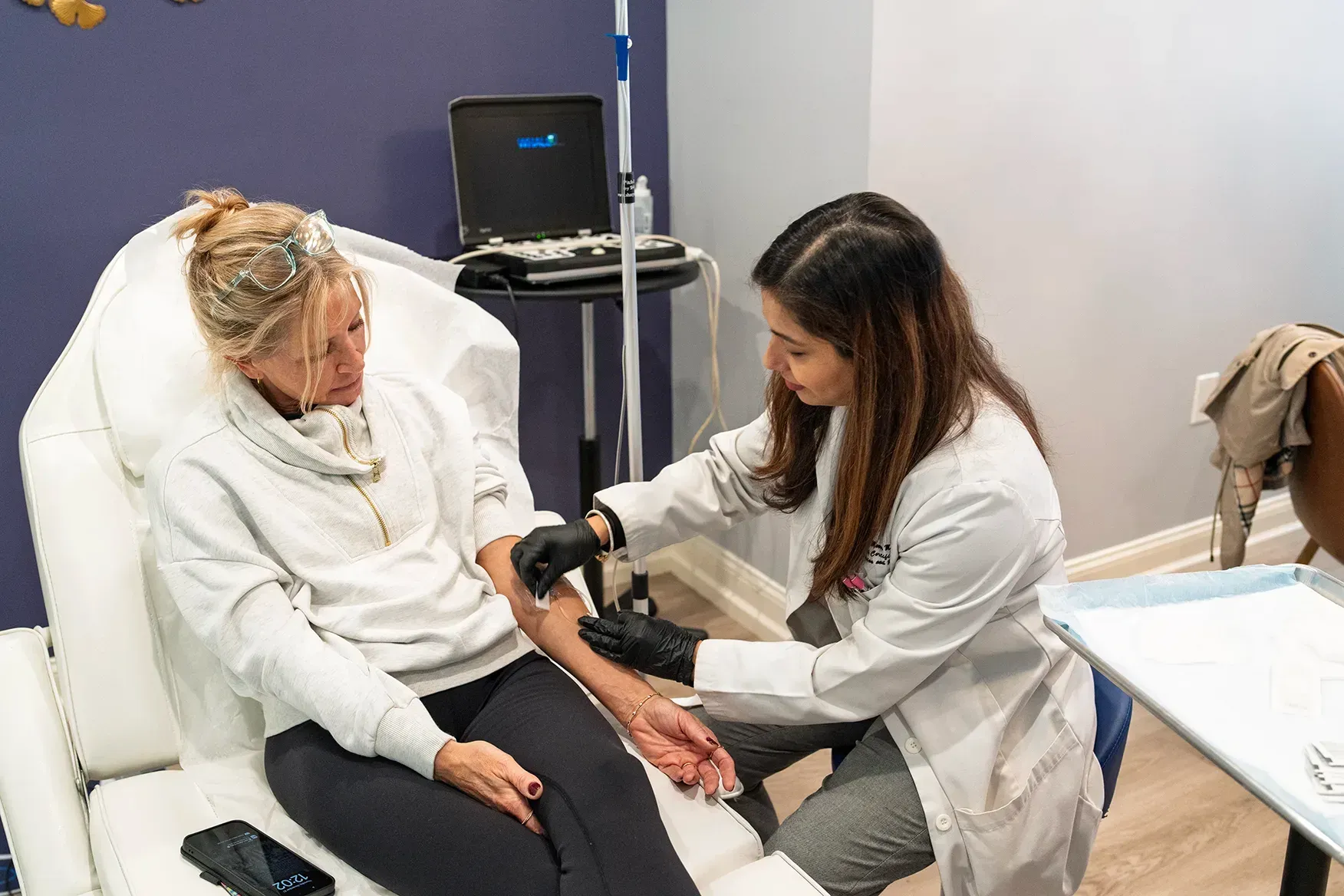
Dr. Menon treating a patient at the Millburn office

Why patients choose Dr. Menon for corticosteroid injections.

Precise, image-guided care from board-certified specialists, focused on treating the source of your pain.

  • Image-guided precision for accuracy
  • Board-certified pain management physicians
  • Comprehensive approach to long-term relief
  • Comfortable, modern treatment environment

Not sure if a corticosteroid injection is right for you?

Book a 10-minute phone call. Tell Dr. Menon what is going on and get an honest answer on whether an in-person visit can help, no commitment.

What to expect: the injection process.

A streamlined process designed for your comfort and convenience.

  1. Step 1

    Initial Consultation

    We begin with a thorough review of your symptoms, medical history, and previous treatments to determine if a corticosteroid injection is right for you.

  2. Step 2

    Diagnostic Imaging (If Needed)

    X-rays, ultrasound, or MRI may be ordered to confirm the exact source of inflammation and guide precise placement.

  3. Step 3

    Preparation

    The injection site is cleaned and sterilized. A local anesthetic may be applied to minimize discomfort during the procedure.

  4. Step 4

    Guided Injection

    When indicated, ultrasound or fluoroscopic guidance is used to ensure the corticosteroid is delivered exactly where it is needed.

  5. Step 5

    Recovery and Aftercare

    You will be monitored briefly before going home the same day. Most patients can resume normal activity within 24 hours, with full benefits often felt within a few days.

At a glance

Procedure time
Just a few minutes
Guidance
Ultrasound or fluoroscopy
Anesthesia
Local (as needed)
Back to activities
Within 24 hours
Relief lasts
Weeks to months

Benefits of corticosteroid injections.

  • Targeted Inflammation Relief

    Delivers medication directly to the inflamed area, reducing swelling and pain at the source.

  • Reduced Medication

    Many patients can decrease their reliance on oral pain medications, reducing potential side effects.

  • Quick, Minimally Invasive Procedure

    Most injections take just a few minutes and require little to no downtime.

  • Improved Mobility and Function

    Reduces pain so you can move more freely and participate in daily activities or therapy.

  • Can Delay or Avoid Surgery

    Helps manage pain effectively, potentially postponing the need for surgical intervention.

  • Supports Rehabilitation and Healing

    By calming inflammation, injections make physical therapy more comfortable and productive.

Meet the team.

A pain physician and an interventional radiologist, in one office.

Dr. Aditi Menon at the Millburn NJ office

Dr. Aditi Menon, MD

Physical Medicine & Rehabilitation

Board-certified in Physical Medicine & Rehabilitation, trained at SUNY Downstate and NewYork-Presbyterian / Weill Cornell. She specializes in musculoskeletal pain, sports medicine, and regenerative treatments, from ultrasound-guided injections to electrodiagnostic (EMG) testing.

Dr. Sujoy Menon at the Millburn NJ office

Dr. Sujoy Menon, MD

Interventional Radiology

Board-certified Interventional Radiologist, trained at Rutgers Robert Wood Johnson and Beth Israel - Mount Sinai. He specializes in image-guided joint treatments and complex spinal and vascular interventions, and is affiliated with multiple NJ hospitals.

5.0 Rated 5.0 out of 5 on Google

Dr. Menon is the most competent and caring doctor I know. I have had several knee injections to help with inflammation and arthritis and Dr. Menon is so gentle, I never know when she is finished. I travel a great distance to see her, but I would not have it any other way.

Arlene S. · Google review

What do corticosteroid injections cost in Millburn, NJ?

The cost of a corticosteroid injection depends on your individual insurance plan and whether treatment is medically necessary for the joint or area being treated. Medicare is billed directly. For all other insurers, we verify your benefits at no charge before your appointment, so your real out-of-pocket cost is clear before anything is scheduled.

For patients paying on their own, flexible payment options keep care affordable, and we lay out the numbers honestly with no surprises. Start by requesting a 10-minute call or asking us to verify your benefits, and you will know where you stand well before you decide to move ahead.

Frequently asked questions about corticosteroid injections

Still unsure? Call us and a person will answer.

How long does pain relief from a corticosteroid injection last?
Relief can last from several weeks to several months, depending on the condition being treated, the injection site, and your activity level. Some patients experience longer-term benefits when injections are combined with physical therapy.
Are corticosteroid injections safe?
Yes. When performed by experienced physicians, these injections are considered very safe. Side effects are rare and typically mild, such as temporary soreness at the injection site.
How often can I receive a corticosteroid injection?
Most patients can safely receive injections every 3–4 months if needed, but your doctor will determine the safest frequency based on your condition and overall health.
Will I feel pain during the injection?
You may feel a brief pinch or pressure, but most patients report minimal discomfort. Local anesthetic and precise technique help make the procedure as comfortable as possible.
Are there any side effects?
Mild soreness or swelling at the injection site can occur, but typically resolves within 1–2 days. Rarely, temporary increases in pain or blood sugar may occur. Your doctor will review all risks before the procedure.
Where on the body can I get a cortisone or steroid injection?

Corticosteroid injections can treat inflammation almost anywhere it develops. Common areas include a cortisone injection in the knee for arthritis, a cortisone injection in the shoulder for rotator cuff or bursa irritation, and cortisone injections in the hip or back for joint and nerve-related pain. During your visit, Dr. Menon confirms the exact source of your pain and, when indicated, uses ultrasound or fluoroscopic guidance to place the steroid injection precisely where it is needed.

Does insurance cover corticosteroid injections?

Coverage depends on your plan and on whether the injection is medically necessary for the joint or area being treated. Our team will verify your benefits before your procedure and review any potential out-of-pocket costs with you.

Medicare is accepted directly. For all other insurers, our team provides free benefits verification before your visit and handles any authorization paperwork, so you know exactly where you stand before treatment. For patients without coverage, we offer payment options to keep treatment accessible.

Request Online

Take the first step toward less pain

Send your request in three quick steps. Choose your reason for visiting, pick a time that works, and we'll call to confirm. Same-week appointments are usually available.

45 Essex St, Suite 202, Millburn, NJ 07041
Mon 9:30–3 · Tue–Fri 9:30–6
Near the Millburn Train Station on Essex Street
Parking lot entrance is before Holmes Street. From Millburn Ave, U-turn after the PNC Bank

Step 1 of 3: Reason for your visit

How can we help?

Choose one to continue.

bottom of page