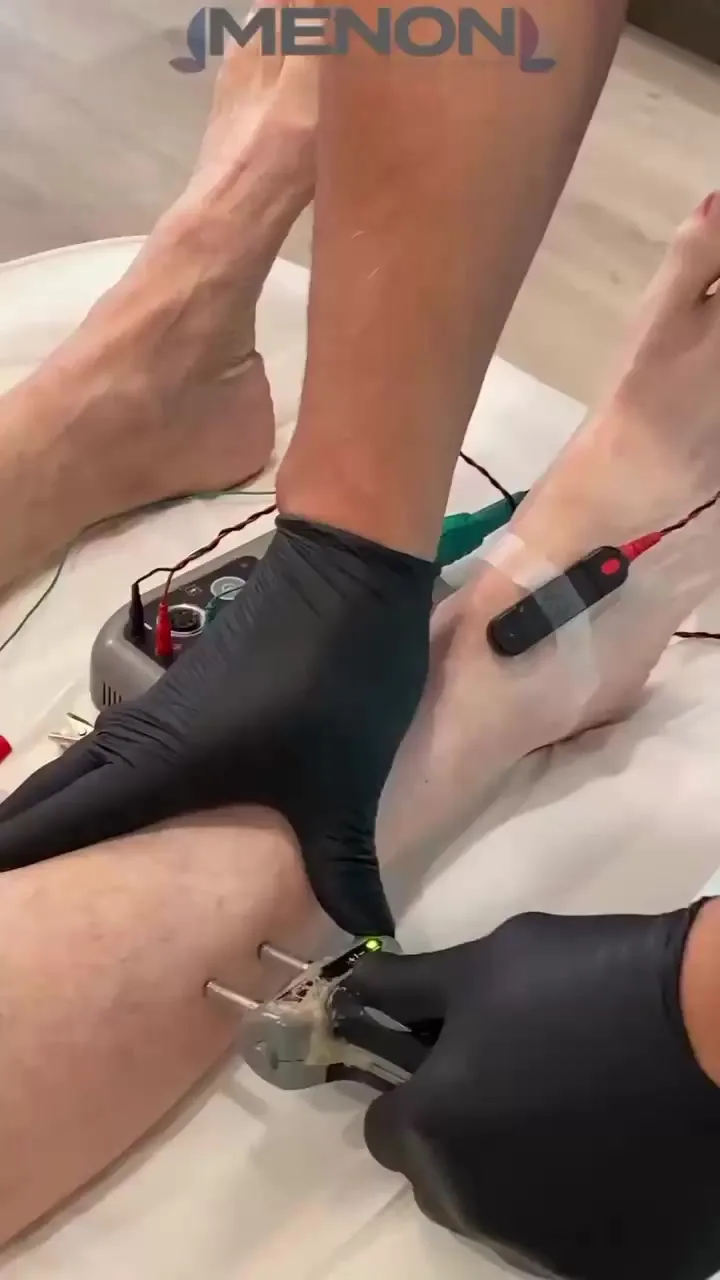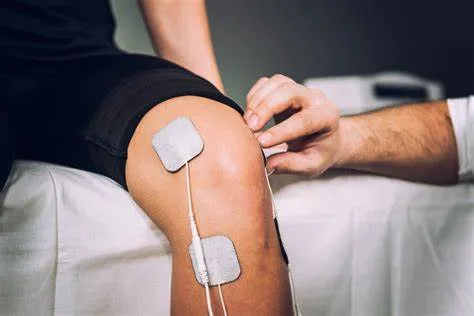


Unexplained Muscle Weakness
When muscle strength progressively declines without clear cause, EMG testing can pinpoint whether the problem originates from nerve damage, muscle disease, or neuromuscular junction disorders, guiding targeted treatment approaches.
- Difficulty lifting objects or performing daily tasks
- Progressive weakness in specific muscle groups
- Fatigue that doesn't improve with rest
- Muscle twitching or cramping episodes
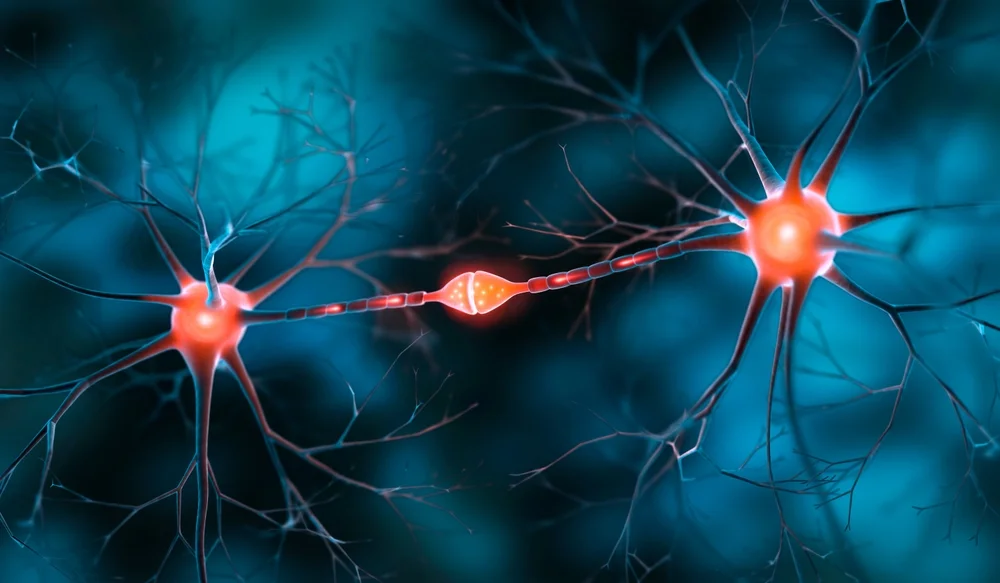
Persistent Nerve Pain
Chronic nerve pain conditions like peripheral neuropathy, carpal tunnel syndrome, and radiculopathy require precise diagnosis to determine the exact location and severity of nerve damage for optimal treatment planning.
- Shooting, burning, or electric shock sensations
- Numbness and tingling in hands or feet
- Pain that radiates along nerve pathways
- Sensitivity to touch or temperature changes

Post-Injury Assessment
Following workplace injuries, accidents, or surgical procedures, EMG studies provide objective documentation of nerve and muscle function, essential for treatment monitoring, disability evaluation, and legal documentation.
- Monitoring recovery after nerve or muscle injury
- Workplace injury documentation and tracking
- Pre-surgical nerve function evaluation
- Objective assessment for disability claims