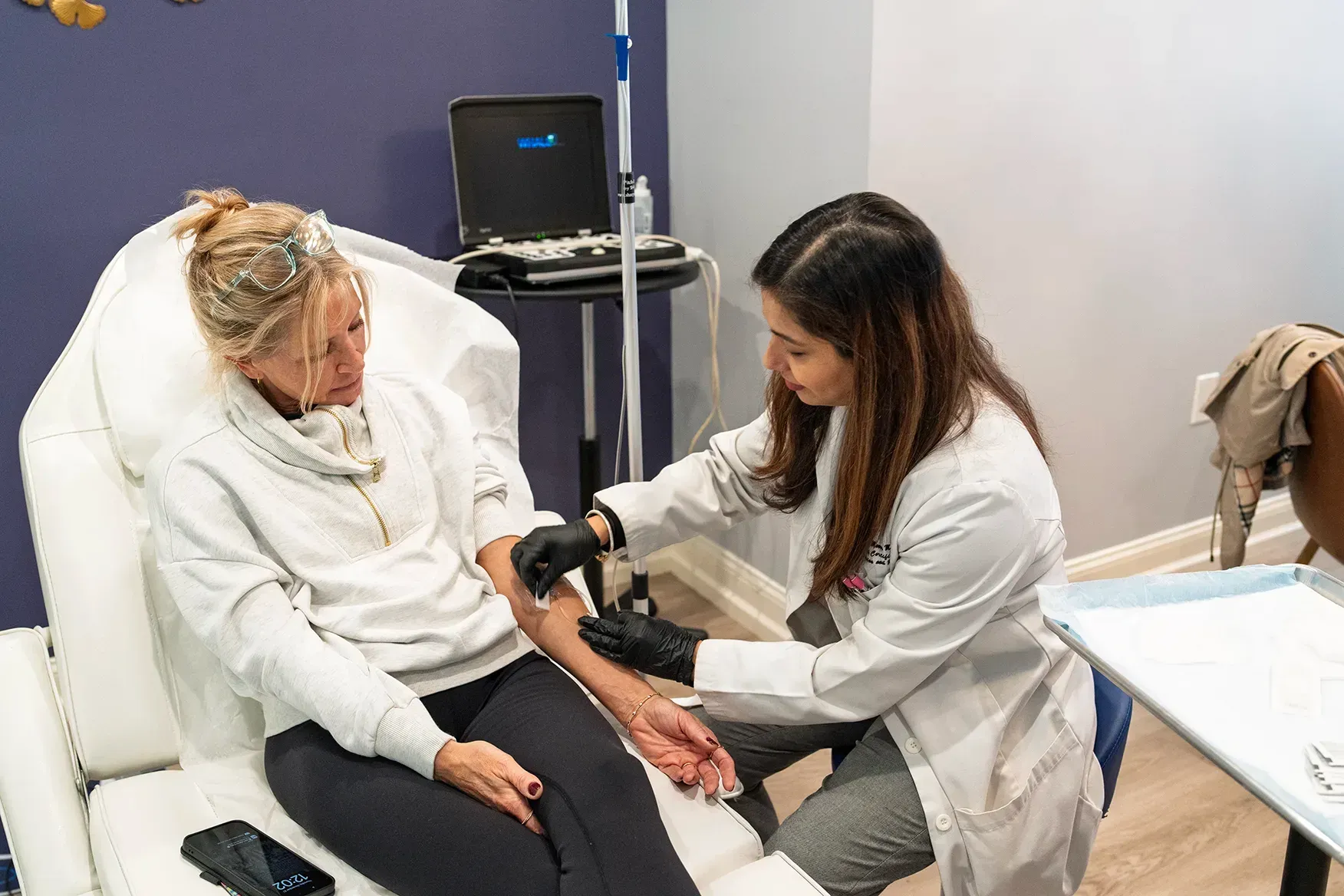
Living with chronic pain can feel isolating, but effective relief may be closer than you think. At Menon Regenerative Institute (Millburn, NJ), we believe that understanding your options is the first step toward reclaiming your quality of life. Today's top pain management techniques go far beyond traditional approaches, offering a range of evidence-based strategies tailored to each patient's needs. This complete overview covers the best pain management methods available, from physical therapy and interventional procedures to regenerative medicine and behavioral strategies, so you can have an informed conversation with your provider about the path forward.
1. How Can Physical Therapy Help Manage Chronic Pain?
Structured physical therapy programs are among the most widely recommended chronic pain treatment options for musculoskeletal conditions. Research from the National Institutes of Health suggests that targeted therapeutic exercise may reduce pain severity while improving mobility and function over time.
Key takeaway: Our Millburn, NJ team often recommends physical therapy as a foundational component of any multimodal pain management plan.
Common modalities within a physical therapy program include:
- Manual therapy and joint mobilization to restore range of motion
- Therapeutic stretching to relieve muscle tension and improve flexibility
- Aquatic therapy, which may benefit patients whose joint pain limits weight-bearing exercise
- Strengthening exercises that support injured areas and retrain movement patterns
For patients dealing with spinal conditions, a physical therapist may coordinate with your physician to develop a program that complements back pain treatment and other interventions. In some cases, your provider may also recommend trigger point injections to address specific muscle knots before beginning an exercise program. Always consult your care team before starting a new therapy regimen.
Ready to explore your options? Schedule a consultation to discuss your pain management plan today.
2. What Are Interventional Pain Procedures?
Interventional pain procedures are minimally invasive techniques that target pain at its anatomical source, often providing relief when conservative measures alone are not enough. These procedures are frequently considered less invasive alternatives to surgery, with shorter recovery periods.
Key takeaway: Many patients find that interventional procedures, performed under precise imaging guidance, may offer meaningful pain reduction without the risks of open surgery.
"A multimodal approach that includes interventional techniques alongside physical rehabilitation may improve outcomes for patients with chronic pain."
Adapted from Mayo Clinic pain management guidelines.
Common interventional procedures include:
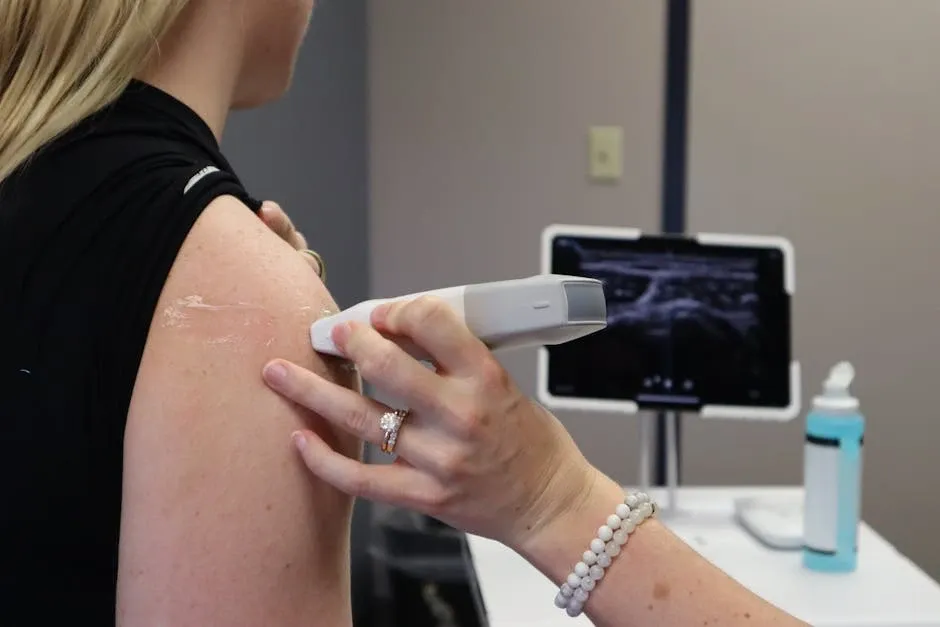
Precision matters in these procedures. Techniques such as ultrasound-guided injections help providers deliver medication to the exact location, which may improve accuracy and outcomes. Your physician can help determine which approach is appropriate for your condition.
3. What Is Regenerative Medicine for Pain?
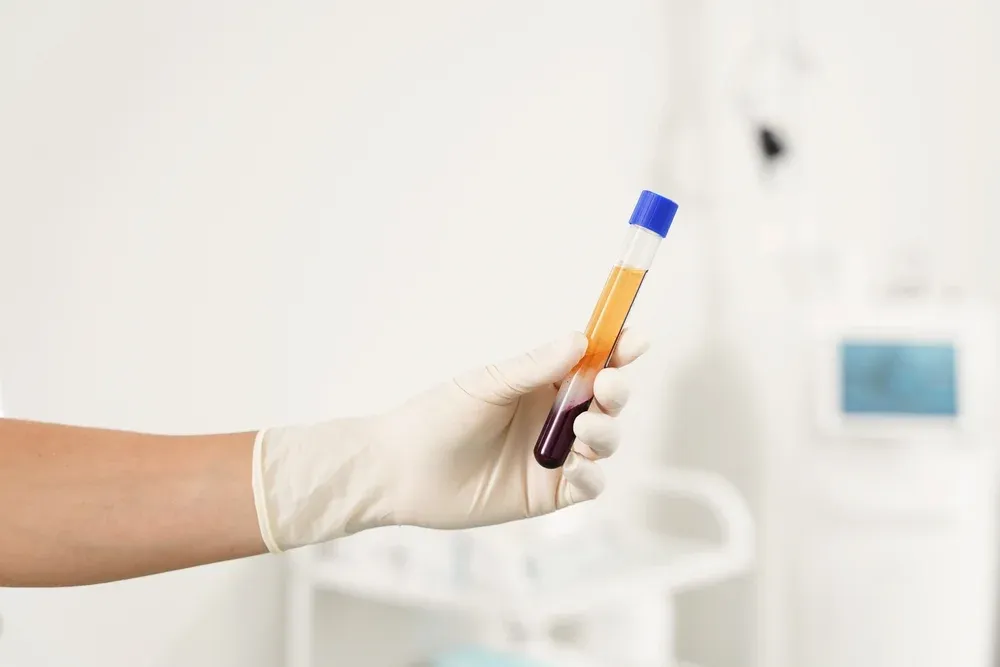
Regenerative medicine represents a growing area of pain treatment that harnesses the body's own healing mechanisms. Therapies such as platelet-rich plasma (PRP) injections and stem cell treatments aim to promote tissue repair at the cellular level rather than simply masking symptoms.
Key takeaway: At our Millburn practice, regenerative therapies are gaining traction as a promising option for patients seeking long-term improvement, particularly for joint and soft tissue conditions.
Clinical evidence continues to expand. Studies suggest PRP therapy may benefit patients with osteoarthritis, tendon injuries, and ligament damage. Ideal candidates often include those who have not responded fully to conventional treatments or who wish to delay or avoid surgical intervention. Many patients exploring knee pain relief options, for instance, are turning to regenerative approaches as part of a comprehensive treatment strategy. Discuss candidacy and realistic expectations with your provider before proceeding.
4. How Do Mind-Body Strategies Reduce Pain?
Evidence-based behavioral and mind-body strategies can play a significant role in managing pain perception and breaking the stress-pain cycle. These pain relief techniques address the psychological and emotional dimensions of chronic pain, which research shows are closely linked to physical symptoms.
Key takeaway: Cognitive behavioral therapy, mindfulness meditation, biofeedback, and guided relaxation are all supported by clinical research as tools that may reduce pain intensity and improve daily function.
Understanding how chronic pain affects daily life helps patients recognize patterns that amplify discomfort. Cognitive behavioral therapy (CBT), for example, helps individuals reframe negative thought patterns that can worsen the pain experience. Mindfulness meditation and biofeedback train the nervous system to modulate its response to pain signals over time. These strategies work best when integrated into a broader treatment plan under the guidance of a qualified provider.
5. How Should Medications Fit Into a Pain Management Plan?
Medication management is one component of an effective multimodal pain strategy, but it works best when guided by a physician and combined with other therapies. Non-opioid pharmacotherapy options have expanded considerably, offering patients safer long-term alternatives.
Key takeaway: Personalized, physician-guided medication plans that include non-opioid options may help patients manage pain while minimizing risks.
Common non-opioid medication categories include:
- NSAIDs (anti-inflammatory medications) for musculoskeletal and joint pain
- Nerve-stabilizing medications such as gabapentinoids for neuropathic pain
- Topical agents including lidocaine patches and anti-inflammatory creams
- Muscle relaxants for acute spasm-related discomfort
Self-medication without professional oversight can lead to complications. If over-the-counter remedies are no longer effective, recognizing the signs it's time to see a pain specialist is an important step. A qualified provider can design a plan that balances efficacy with safety, adjusting medications as your condition evolves. For additional reading, explore our pain management resources covering a wide range of treatment topics.
Take the Next Step Toward Relief
Effective pain management is not a one-size-fits-all solution. Whether you are exploring physical therapy, interventional procedures, regenerative treatments, or behavioral strategies, the right combination of top pain management techniques can make a meaningful difference. Menon Regenerative Institute (Millburn, NJ) is here to help patients throughout the Millburn area find a personalized path to better function and comfort.
Schedule your appointment to discuss your pain management options with our team today.
Sources
- National Institutes of Health (NIH)
- Mayo Clinic